Baby Teeth Traditions in Other Cultures
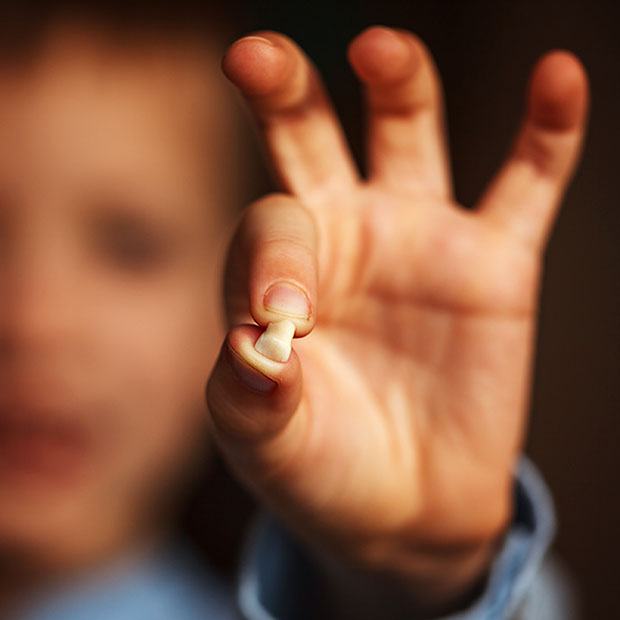
Losing a baby tooth is a milestone every child experiences.
What happens next looks very different depending on where you live. While the Tooth Fairy is a beloved tradition in the United States, Canada, and much of Western Europe, families around the world have their own fascinating rituals to mark this rite of passage. Here is a look at some of the most interesting baby tooth traditions from other cultures.
The Tooth Mouse
In many Spanish-speaking countries, as well as France and Belgium, a small mouse takes the Tooth Fairy’s place. Known as “Ratoncito Pérez” in Spain and Latin America, this little rodent sneaks in at night to collect a lost tooth from under a child’s pillow, leaving behind a coin or small gift. The tradition dates back to the late 1800s and remains widely cherished today. In France, the visitor is simply called “La Petite Souris,” or the Little Mouse.
Throwing Teeth to the Sun and Sky
In many countries across Asia, including Japan, India, Korea, and Vietnam, the direction you throw a lost tooth actually matters. The common tradition is to throw an upper tooth downward (onto the floor or into the ground) and a lower tooth upward (onto a rooftop), with the wish that the new tooth will grow in strong and straight. The logic is charmingly simple: the new tooth should grow toward where the old one was thrown.
Burying and Planting
Some cultures treat a lost tooth as something to return to the earth. In parts of Turkey, parents bury their child’s tooth in a place connected to what they hope the child will become. A tooth buried near a school might encourage a scholarly future; one buried near a stadium could inspire an athletic one. Similarly, some Indigenous communities in North America have long held traditions of burying teeth or returning them to nature as a way of honoring the connection between the body and the earth.
Tossing to the Mouse or the Sun in the Middle East
In several Middle Eastern countries, children traditionally throw their lost teeth up toward the sun while reciting a short prayer or rhyme asking for a strong new tooth to replace it. This sun-tossing custom connects the child’s growth to something larger and more permanent.
Gold and Celebration
In some parts of Greece and other Mediterranean cultures, throwing a tooth onto a rooftop is accompanied by a wish for the new tooth to be as strong as an ox. In certain communities, the occasion calls for small celebrations or gifts, recognizing that growing up deserves to be marked with joy.
What All These Traditions Share
Across every continent and culture, baby tooth traditions reflect the same underlying hope: that children grow up healthy, strong, and full of possibility. Whether a tooth goes under a pillow, onto a rooftop, or into the ground, the love behind the gesture is universal. Next time your child wiggles a loose tooth, you might share one of these traditions from around the world and make the moment even more memorable.