Are You Getting Regular Oral Cancer Screenings?
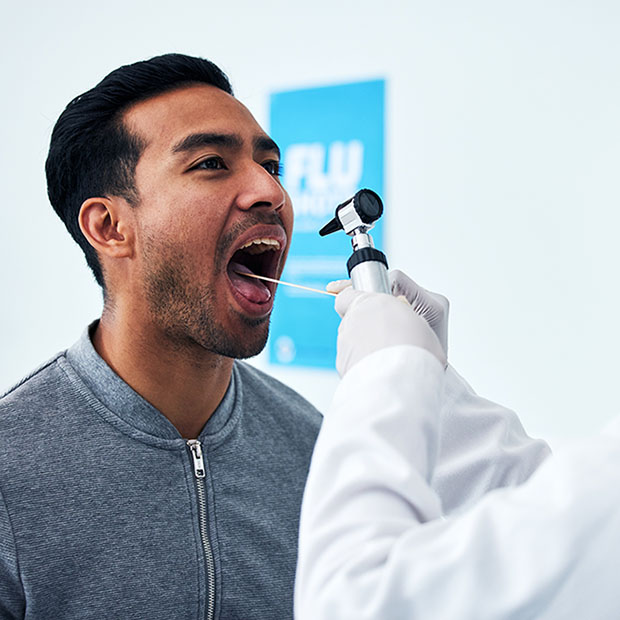
April is Oral Cancer Awareness Month. When was the last time you were screened?
Oral cancer is one of the most common cancers in the United States, yet it remains one of the least talked about. Every year, tens of thousands of Americans are diagnosed with cancers of the mouth, tongue, lips, throat, and surrounding tissues. The good news is that when caught early, oral cancer is highly treatable. The challenge is that many people don’t know they should be screened regularly or that their dental provider is often the first line of defense.
What Is an Oral Cancer Screening?
An oral cancer screening is a quick, painless visual and physical examination performed by your dental provider. During a routine dental visit, your dentist or specialist examines the soft tissues of your mouth, including your gums, tongue, cheeks, the floor and roof of your mouth, and your lips. They feel for unusual lumps, check for irregular tissue, and look for sores or discoloration that may warrant a closer look. The whole process typically takes just a few minutes and requires no special preparation on your part.
Who Should Be Screened?
The short answer is everyone. Oral cancer does not discriminate by age, background, or lifestyle. While certain risk factors increase a person’s likelihood of developing the disease, including tobacco use, heavy alcohol consumption, prolonged sun exposure to the lips, and infection with HPV, a significant number of oral cancer cases occur in people with no obvious risk factors at all.
This is exactly why routine screenings matter for the whole family. Parents bringing children in for pediatric dental checkups, teens visiting the orthodontist for braces adjustments, and adults seeing their endodontist for a root canal consultation are all opportunities to make sure a screening takes place. Oral health care spans every stage of life, and so should awareness of oral cancer.
Why Early Detection Changes Everything
The five-year survival rate for oral cancer caught in its earliest stages is significantly higher than for cancers diagnosed at a later stage. Unfortunately, many cases are not detected until the cancer has already spread, largely because early-stage oral cancer can be painless and easy to overlook without a trained eye. Regular screenings create consistent checkpoints so that any concerning changes are caught before they have a chance to progress.
What You Can Do
If you are not sure whether you have had an oral cancer screening recently, simply ask at your next dental visit. You can also perform a basic self-exam at home by looking at and feeling the inside of your mouth monthly for any sores, patches, or lumps that do not heal within two weeks.
Oral Cancer Awareness Month is a reminder that protecting your health goes beyond brushing and flossing. Talk to your dental provider today, and make oral cancer screening a regular part of your care routine.